


Mixmag’s Industry Insider: Sonny Hall
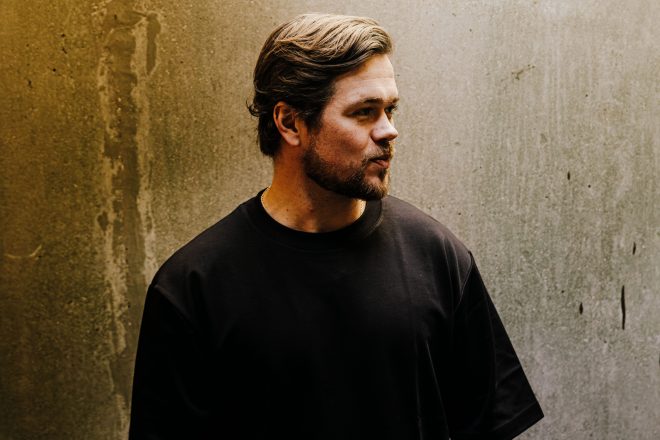
Sonny Hall is part of a new wave of operators redefining what a modern venue can be. As founder of Unlocked, the young game changer sits at the intersection of music and culture as he builds innovative spaces that move beyond traditional club formats.
His flagship project, Unlocked Shoreditch, reflects that vision as a hybrid, multi-use environment that hosts everything from exhibitions and brand activations to late-night programming. With expansion plans underway and a growing international footprint, Hall has established Unlocked as a serious new force in the global events space.
Here we speak to him about his journey so far, why Unlocked is thriving despite these uncertain times and how he blanches growth with remaining credible. 23
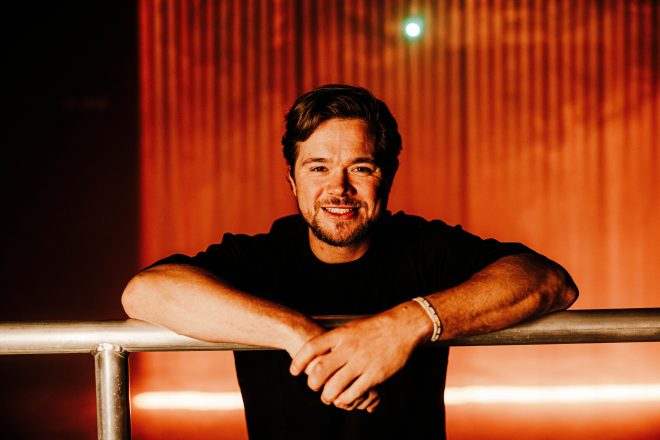
Q: How has your year been so far, both personally and with everything happening at Unlocked Shoreditch?
It’s been intense in the best way. We’ve gone from launching a space people didn’t fully understand to building something that’s now genuinely part of the conversation in London.
Personally, it’s been a mind shift from proving the concept to scaling it properly — not just running events, but building a platform. Shoreditch has been the foundation, but now we’re thinking much bigger in terms of what UNLOCKED actually is.
Q: What’s your view on the current state of nightlife in London right now?
There’s definitely pressure — rising costs, licensing, development, all of that is real. But I don’t think the culture is dying at all.
If anything, the demand is stronger than ever. People still want meaningful experiences — they just don’t want generic ones anymore.
The venues that are struggling are often the ones that haven’t evolved. The ones that are doing something with identity, with programming, with energy — they’re still cutting through.
What we have learnt is that from the outset of opening a venue in London is engaging with authorities, local stakeholders and residents is key to a venue coexisting within residential communities while supporting the local economy.
Q: At a time when many independent venues are struggling, what has allowed Unlocked to thrive?
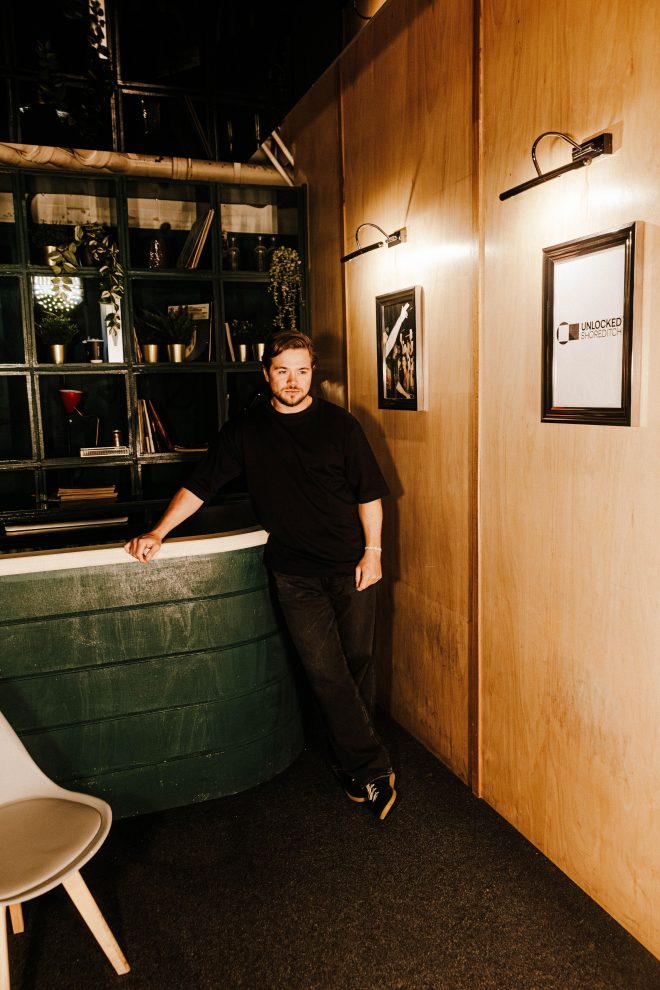
We didn’t treat it like a traditional venue. We operate a Hybrid model which is essential for the sustainability of cultural venues.
We built it as a blank canvas performance space, not just somewhere that hosts events. That means:
promoters feel ownership
brands can build properly
artists can do something different
We’re not relying on one revenue stream, and we’re not trying to be everything to everyone. It’s very intentional.
Also, we move fast. That’s probably the biggest difference.
Q: You’ve taken a derelict space with underground history — how did that come about?
We were actively looking for something that didn’t feel polished or overdeveloped.
When we found the space, it had that raw, industrial energy you can’t fake — and you could feel the history in it. That was the starting point.
The journey’s been a mix of chaos and creativity. You’re constantly solving problems, but that’s also where the identity comes from. It’s not overdesigned — it’s built through use.
Q: Why Shoreditch? Why now for electronic music?
Shoreditch has always had that tension between culture and commerce, but right now it feels like there’s space again for something more underground to re-emerge.
There’s a new generation coming through who are more interested in community and sound than just status.
It felt like the right place to build something that sits between underground credibility and larger-scale energy.
Q: Are you seeing that shift firsthand? What role is Unlocked playing?
Definitely.
We’re seeing a real appetite for electronic programming again — not just big names, but properly curated nights.
I think Unlocked is helping provide the infrastructure for that. We’re giving people a space where they can scale ideas without losing the essence of what makes them work.
Q: How do you balance credibility with growth?
That’s the hardest part.
You have to protect the culture while still building something sustainable.
For us, it comes down to who we work with. If the programming is right, the growth follows naturally.
The moment you start chasing numbers over identity, you lose it.
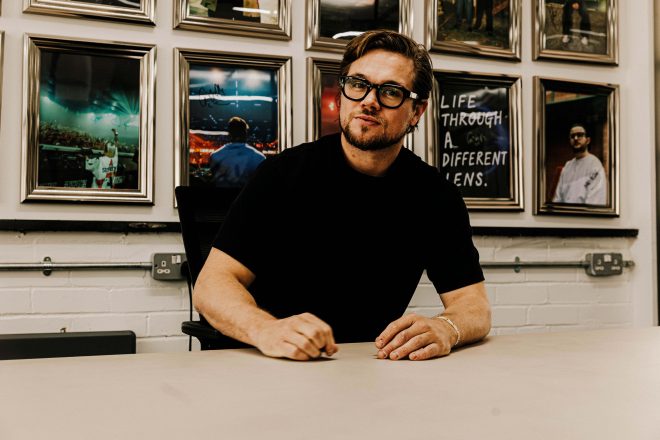
Q: You’ve worked with brands like FIFA, Netflix, Adidas — how do you approach those collaborations?
We treat brands the same way we treat promoters — they have to add something.
We’re not interested in surface-level activations. It has to feel like it belongs in the space and contributes to the culture.
The brands we work with understand that. They’re not just hiring a venue — they’re buying into a community and an environment.
Q: Are brand partnerships a necessary evolution?
Realistically, yes.
The economics of running large-scale venues have changed. If you want to build something properly, you need multiple revenue streams.
But it has to be done right. If it feels forced, people see straight through it.
Q: As someone under 30 building in London, what challenges have you faced?
Probably being underestimated.
When you’re younger, people assume you don’t understand the scale or the risk. But that can also be an advantage — you’re less restricted in how you think.
The real challenge is the pace. You’re dealing with landlords, investors, artists, teams — all at once.
Q: You’re now expanding into the US — what’s that been like?
Very different.
The scale is bigger, the regulation is more complex, and the expectations are higher in terms of production.
But the opportunity is huge. Cities like Miami are growing fast culturally, and there’s space to build something meaningful there.
Q: What do you consider when programming?
It’s a mix of instinct and structure.
what feels culturally relevant
what the audience actually wants
what we believe in musically
We’re not just booking names — we’re building moments.
Q: What’s been one defining moment so far?
Boiler Room was a big one.
Seeing the space translate globally like that — and still feel true to what we built — that was a moment where it clicked.
Q: How will you measure success going forward?
Not just by scale.
It’s about:
cultural impact
the artists we platform
the experiences we create
If we can expand while keeping that intact, that’s success.
Q: What’s next?
We’re building this into a global platform.
Miami is the next step — it’s already in motion, and it’s a key part of how we scale what we’ve built in London.
The goal is to create spaces and moments that actually mean something — not just events.
Unlocked Website: https://www.unlockedx.com/
Shoreditch Unlocked IG and Sonny Hall IG below:
