


Somos Music & Arts Festival Finds New Home in Zipolite's Existing Queer Infrastructure
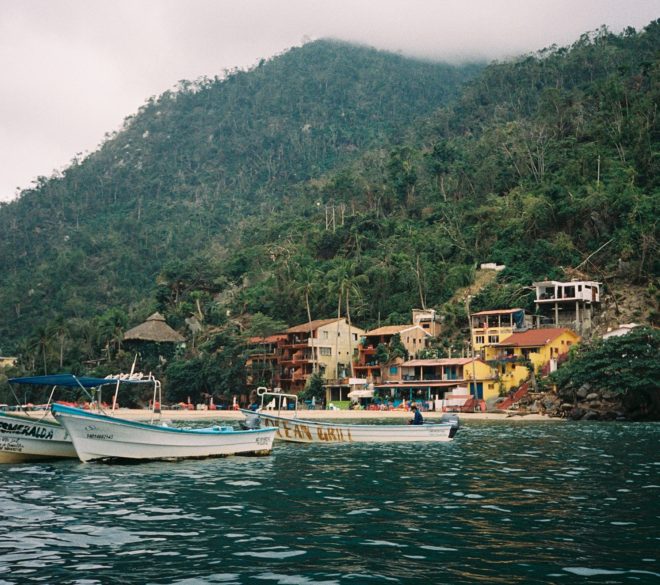
For the first three years of Somos Music & Arts Festival, getting to the party required a fishing boat. "Looking back at it, it blows my mind that we managed to get 400 people back and forth to a remote part of Mexico on fishing boats every night," says co-founder Victor Rodriguez. "It definitely pushed us to our mental and physical limits. The level of bonding on those crazy boat rides at 4 in the morning, and the isolation of the venue made it truly a wild, beautiful adventure."
Somos moved to Mexico City for year four, tapping into the capital's established venues and infrastructure. It was a success. But organizers Rodriguez and Jerren Werbes "really missed the unique bonding that happens on the beach."
For year five, Somos comes to Zipolite. The small beach town on the Oaxaca coast is one of Mexico’s most openly queer enclaves, with a population of less than 1400 people known for its rustic charm, intense sunsets, and off-the-grid appeal. "We did have our doubts about the remoteness of the beach and people's willingness to adventure that far out," Rodriguez admits, "but the initial response was overwhelming. We sold out in less than an hour."
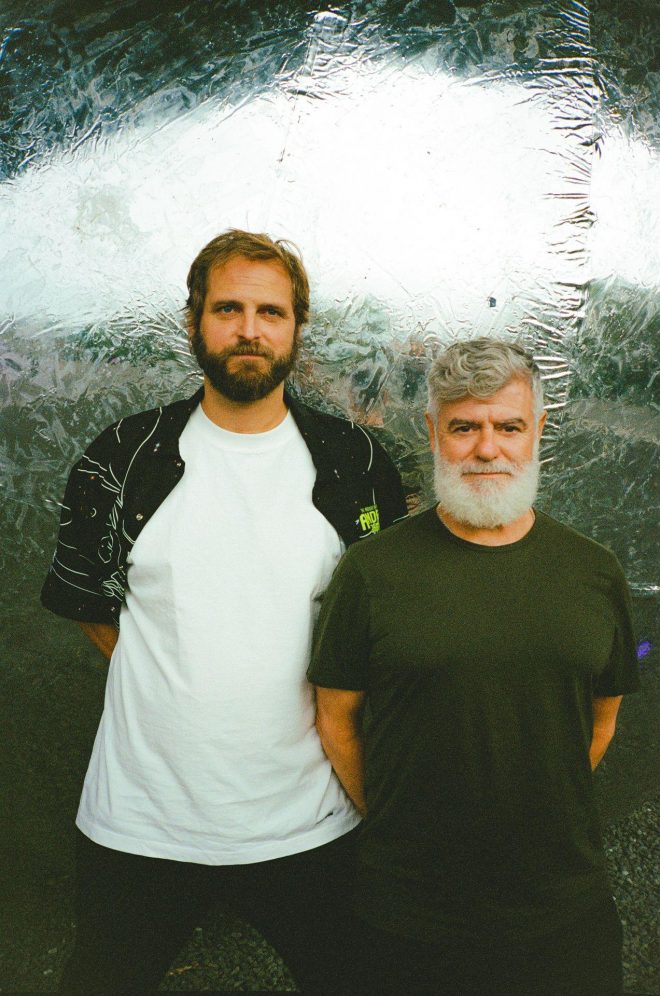
Victor Rodriguez has been creating underground queer spaces since the late 1980s, from bringing some of the first house music events to Los Angeles, delivering staple warehouse parties like Ostbahnhof, boutique festivals like Camp Caftan, to 18 years of running Bears In Space. Jerren Werbes built Por Detroit in Mexico City as a direct response to exclusionary nightlife culture there in the early 2010s, with regular, thriving events regularly shaking dance floors in both CDMX and Los Angeles. "Somos is an evolution of our combined experiences," Rodriguez explains. "It allows us to continue to build community in a multi-day format, not just late night parties. Having people connect during the daytime and through different activities and programming, on top of the dance floor catharsis, is really special."
The festival commits to booking over 50% Latin American artists, implements tiered ticketing with reserved tickets for Zipolite locals and discounted pricing for Mexican residents, and employs local queer community members to co-organize events. "We've always said 'a lot of the cool kids don't have a lot of money,'" Rodriguez says, "so if you want your party to be cool, you have to find ways to be accessible."
The curatorial approach evaluates what artists do for their communities back home. "We come from these underground communities that value music over showmanship," Werbes notes. "It feels so much more important to book based on talent and character and not just chase the money."
In Zipolite, Somos programs across two main venues. El Bicho Meet Point is a bare bones, beachfront bar with classic palapa vibes within 20 feet of breaking waves. Sebastian de los Milagros boasts more in the way of production capacities, serving both as a hotel and beach venue for nighttime programming. Everything is close together, and harmonized into the actual town of Zipolite. On Saturday, all programming happens at Sebastian de los Milagros, serving as the heart and community hub of the festival.
Ballroom is a well-known backbone of LGBTQ+ culture originating in New York dating back to the 1960’s. The bubbling Mexican ballroom scene recently celebrated 10 years, and since 2022, Ballroom Zipolite has been building and sustaining a local ballroom scene in the township through years of community dedication to the legacy of ballroom culture in Mexico. Every Saturday at 5pm, the doors open at Fetiche Bar for Ballroom Zipolite practices that always wrap up with a talk about ballroom’s historical relevance in queer culture and to maintain a regular dialogue with the community. No costs, or experience required. This is a scene built week by week since 2022 when Rio Sirenx Magdalena arrived during the pandemic and started holding this space with Isra Arce.
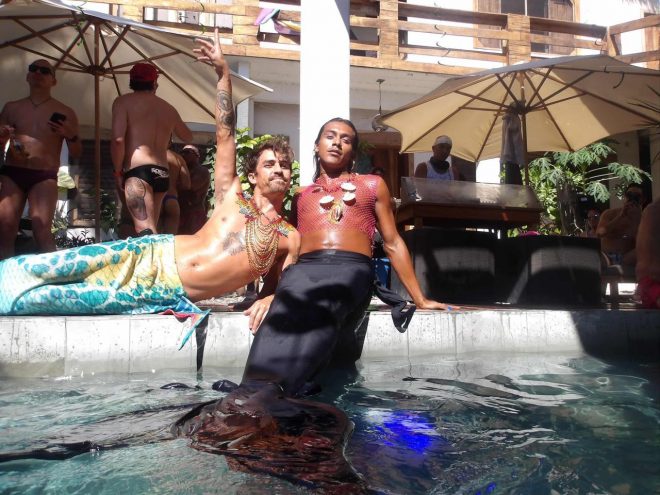
Maria José OT (ig: @mariajose.ot)
The work intentionally integrates people born and raised in Zipolite alongside those who arrived from other parts of Mexico or abroad. "We actively resist dynamics where class, origin, or mobility determine who has access to culture, visibility, or voice," Isra explains. "For us, ballroom is not only performance, but culture, lineage, resistance, and community building, particularly within Mexican and Latin American contexts that have historically been underrepresented in global ballroom narratives."
The Kiki House of Sirenxs formed at the Cosmic Disco Kiki Ball on December 27, 2025. It is the first Kiki House established on the coast of Oaxaca. The seven members are Adeno, Sirenasso, Bobi, Bvnd1dx, Demian, Rio, and Isra. The name comes from identifying with sirens as figures of mediation, protection, and guardianship of the beach.
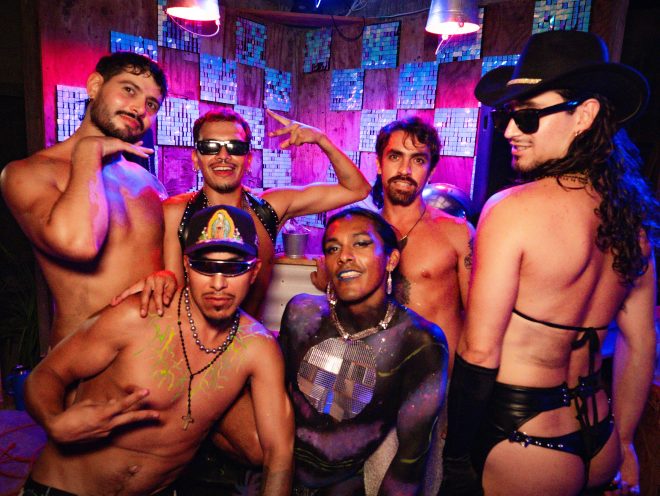
Xos Gvasalia (ig:@xos.pab)
Integration of people born and raised in Zipolite into ballroom has been sporadic but steady. "There have been several people born and raised in Zipolite who have come to our practices and events," house members explain. "Integration has been a bit sporadic due to work routines and schedules. Most of us work during high season, and low season's more about resting or traveling. On a small scale, integration looks like locals attending practices regularly, making it a weekly habit."
Many local families have lived in Zipolite for generations. While some have relatives in the queer community, others still think conservatively. "Even in 2026, there are still grapples with conservative mindsets, especially regarding sexual identity and preference," the house acknowledges. "With spaces like Zipolite Ballroom, we open the discussion, create a platform for these topics, and pave the way for more inclusive conversations."
Ball categories adapt to local context. "In Zipolite, that means keeping things easy and accessible," they say. "We are all about minimalism and embracing the beach atmosphere. We do not ask for elaborate outfits or expensive gear. Instead, we encourage creativity and self-expression.”
Challenges exist. "One of the biggest challenges building a ballroom scene in Zipolite is consistency," they admit. "The nature of a touristic place like here is to visit for some days or months and leave. So it is tough when people come and go with the seasons. We are seeing slow but steady growth, but it is part of being an emergent scene. Infrastructure is another hurdle. We lack the resources Mexico City has, like practice spaces with mirrors and suitable floors for voguing and floor performances. But as Zipolite grows, we are turning these challenges into opportunities to improve our arts infrastructure."
On February 6, midway through the festival's four-day run, VAMOS A LA PLAYA KIKI BALL brings houses from Mexico City, Guadalajara, and Oaxaca to Fetiche Bar as part of SOMOS programming. Houses include Kiki House of Minerva, Ubetta, Paradise, and 007's competing in categories adapted to Zipolite's coastal context. "What excites us most is the support from the international and national community, especially with SOMOS' involvement," the organizers say. "Collaborating with such a renowned festival is a huge opportunity for us."
Nerves exist too. "Putting a ball together is always a budget balancing act, and deciding on the lineup, such as judges and MC, was a tough call. Now we are just anxious to make sure everything goes smoothly, not because we doubt it will be a hit, but because we want it to shine."
The relationship between Somos and local infrastructure extends beyond ballroom. A portion of festival proceeds goes directly to Zipolite Diverso, an organization that has spent years connecting LGBTQ+ visibility with local traditions through projects like the Calenda Diversa, a public procession where brass bands, dancers, and LGBTQ+ participants occupy the streets together. The organization operates across a network of queer spaces including Fetiche and Casa Comun, hosting workshops, screenings, and health initiatives.
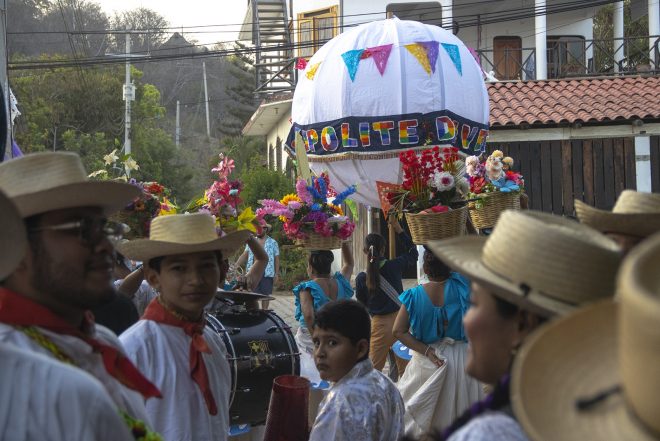
Documentation of this convergence comes through Montréal based photography duo Samantha Blake & Félix Bonnevie, who have worked in queer underground spaces for years. Samantha was introduced to Somos organizers approximately eight years ago. Both photographers have visited Mexico annually for the past seven years, forming relationships with artists and community members, including Indigenous Abya Yala Mexican artist Ainé Marín and Zipolite resident artist Sativa $exactiva.
Félix is direct about their position. "Most of the events we document are also ones we frequent, and I think that comes across in the photos. We're not only covering events, but also our experience within them as members of the community. But in Zipolite, this is only half true. While we're still documenting as repeat attendees, the longstanding community ties and reputation as artists that we've formed in Montreal don't apply here, and we're basically starting from scratch. But this cultural distance is something I want to explore, rather than shy away from."
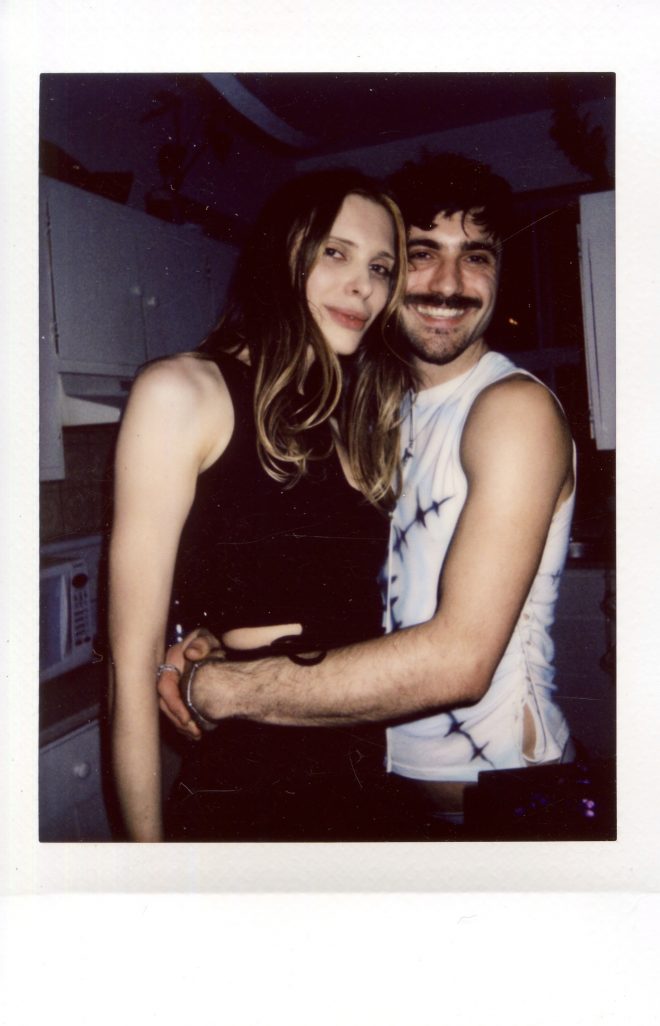
During the festival, they will activate an ephemeral gallery at Encomuun, a small communal space on the beach. Using string and clothespins, they will hang instant photographs as they capture them. "We want our process to feel collaborative rather than extractive," Félix explains. "The gallery display and 'living wall' of instant photographs help us do that by creating a physical space for connections to be made and where our artistic sensibilities can be displayed. This process helps close the gap between the festival, photographers and local residents just like the name Somos, or 'we are,' intends."
The impact extends beyond the moment. "Beyond capturing the event, we want to uplift the people we meet and collaborate with along the way," Félix says. "Photographs can support artists and community organizers' professional goals by providing material for funding and career opportunities. In addition to the resulting work, I equally look forward to the documentation process itself and the connections it will entail, which I hope the photos will convey."
Their grant write-up for Canada Council for the Arts acknowledges complexity. Though the 400 to 500 attendees bring connection and celebration, they also contribute to gentrification pressures in this small town. The photographers do not seek to hide this transformation, but to explore it as a reality that exists.
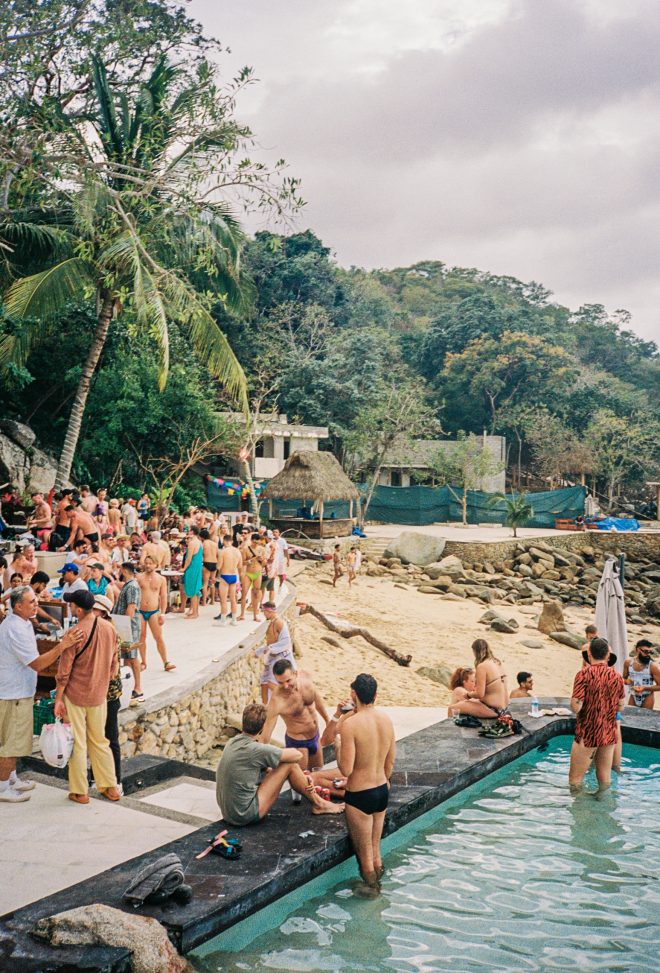
For Somos organizers, success has specific markers. "Success for us is hearing the stories of Kiki houses being formed, friendships made, stories of finding acceptance, love, community, or seeing artists that met at Somos collaborating in other cities, seeing those networks activating," Rodriguez and Werbes say. "Some people have told us that SOMOS has changed their life. What better measure of success is there than that?"
The festival involves locals from organizing to production, hosting, drag, DJing, working the door, even certified local queer lifeguards for the swim club. But the organizers remain measured. "There's no measuring stick and there's always room for growth and improvement. Performative inclusion is pretty clockable, but at the end of the day we will have to see what the locals say once the festival has ended."
House of Sirenxs offers a longer view. "We do not see this work as a personal project, but as something larger than any individual. A contribution to cultural memory, legacy, and the ongoing writing of ballroom history in Mexico." What exists in Zipolite today is the result of years of continuity and self managed effort.
Félix frames the photography project similarly. "I equally look forward to the documentation process itself and the connections it will entail, which I hope the photos will convey." The living wall at Encomuun becomes a physical space where festival, photographers, and local residents meet, where the name Somos, "we are," takes form.
Somos runs February 4-8 across Sebastian de los Milagros and El Bicho Meet Point. On February 6, VAMOS A LA PLAYA KIKI BALL brings houses from across Mexico to compete at Fetiche Bar. Even though the fishing boats of Puerto Vallarta days are gone, the SOMOS adventure evolves this year. Not arriving to create something new, but arriving to join what is being built in Zipolite.
Connect with Somos Music & Arts Festival: Instagram
