


Swallow Events launches new platform reshaping festival operations
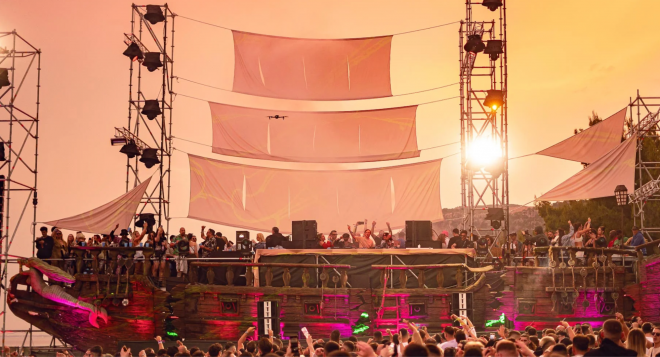
A new UK-built platform is aiming to overhaul the way festivals and large-scale events handle their behind-the-scenes operations.
Swallow Events has launched what it describes as the first fully integrated event trading operating system, designed specifically for live environments. Built by industry professionals, the platform brings together vendor procurement, booking workflows and ticketing infrastructure into one centralised system.
While most event tech has focused on ticketing and front-end experiences, Swallow flips the model by targeting one of the most overlooked areas of event delivery: trader and supplier management. The platform allows organisers to run fixed-price bookings, live auctions and tender processes while automating contracts, payments and communications.
For festivals operating at scale, this addresses a long-standing issue. Vendor sourcing is still widely handled through fragmented spreadsheets, emails and manual agreements and is a process that can take months to coordinate. Swallow claims its system can reduce this admin time significantly while allowing teams to scale without increasing headcount.
The platform is already connected to a network of over 5,000 catering traders and 3,000 trade operators, giving organisers immediate access to a global supplier base. UNUM Festival has been among the early adopters.
Notably, the system runs on a zero-cost model for organisers, with no setup fees or subscriptions, instead applying a flat 4% ticket fee to buyers.
Founder Oli Thomas says “We didn’t set out to build another ticketing tool. We built a system to solve the operational chaos behind trader procurement - the emails, spreadsheets and manual processes that hinder every event team, whatever the format. Ticketing became a supporting layer within the system, not the reason it exists, and we chose to make it completely free for organisers.”
As festivals continue to grow in scale and complexity, platforms like Swallow point toward a shift in how the industry manages the infrastructure behind the dancefloor.
