


Elodie: Building Soloflo To Fix Bookings
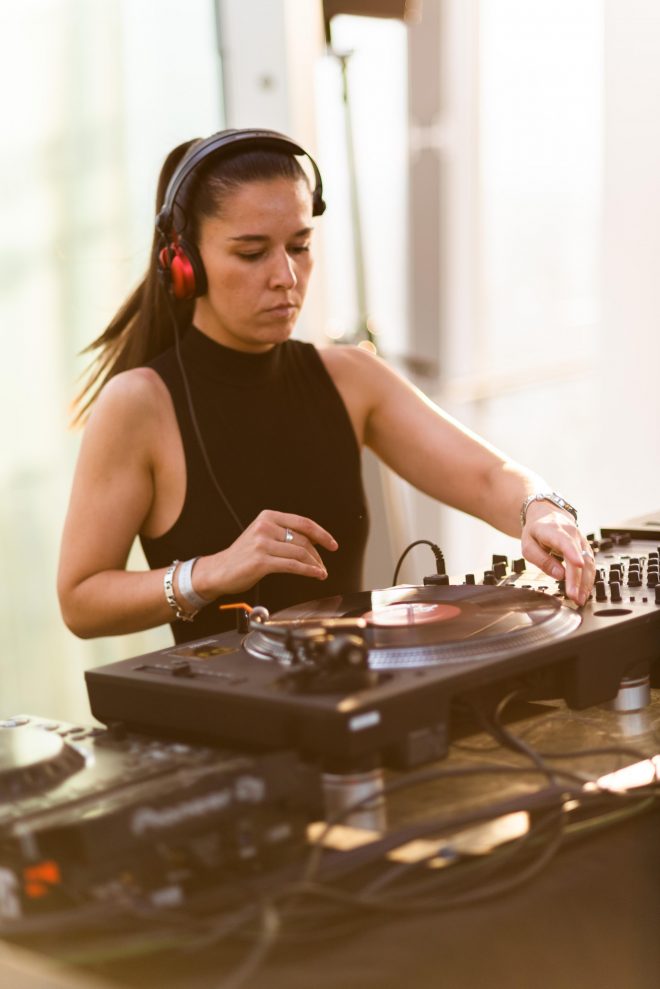
There is a particular kind of WhatsApp conversation almost every working DJ knows. A date appears. Someone mentions a fee. Flights are discussed. The promoter says a contract is coming. Three days pass. By then, parts of the conversation have moved to email and nobody is completely sure whether the hotel was included.
The strange thing is how normal this feels.
Electronic music has always run partly on improvisation. Relationships formed in clubs become bookings; favours become opportunities; entire parties can begin with somebody sending somebody else a message at an unreasonable hour. That looseness is part of the culture. It is also, depending on where you stand, one of its vulnerabilities.
Alongside founding SoloFlo, Elodie works as a DJ, producer, label owner and promoter. What kept appearing wasn’t one dramatic failure in the booking system, but hundreds of small inefficiencies everybody seemed to have accepted.
“I think it’s hard to break old habits. Sometimes if things work, even really inefficiently, people are reluctant to change until they’re forced to. And a small minority quietly benefits from things being a little broken, so potentially that’s why too.”

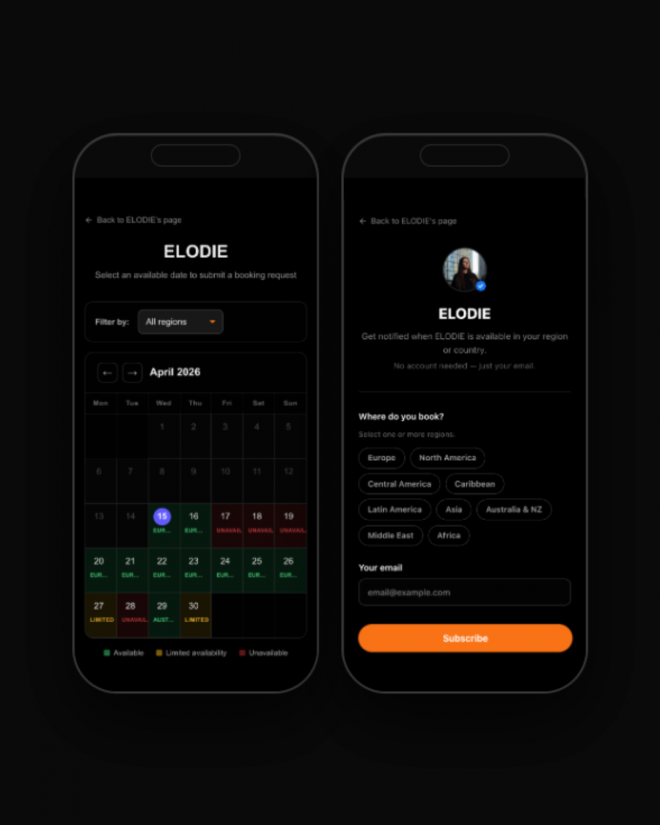
SoloFlo emerged from that frustration. The platform brings artist availability, offers, terms, contracts, deposits, advancing and payments into one place, effectively organising a process that has traditionally been scattered across inboxes, spreadsheets and private conversations.
The response to the idea, Elodie says, has been revealing.
“The conversations I’m having about SoloFlo sit in two camps: overwhelmingly, ‘How on earth has no one thought of this before?’ and then, ‘We were all thinking it, we just needed someone to build it,’ which says a lot about how ready the industry is for change here.”
But inefficient admin is only part of the problem. Informality behaves differently depending on how much power you have.
An established artist can have an agent chase a contract, clarify accommodation and ask where the deposit is. An independent DJ building momentum often has to ask those questions personally. When the booking itself feels like an opportunity, even ordinary professional questions can begin to feel dangerous.
“DJs starting out or rising up don’t want to ask too many questions or ‘be inconvenient’, because it can feel like the promoter is doing them a favour by booking them,” Elodie says. “Some rogue promoters unfortunately exploit that. That’s a big part of why it all stays so informal, and ultimately so fragile.”
That word, fragile, gets closer to what SoloFlo is trying to address than efficiency does.
The idea isn’t to remove the relationships that make electronic music function. A promoter still books an artist because they believe in them. An agent still understands where their roster belongs. People will still meet in clubs, recommend each other and build trust over years.
SoloFlo simply tries to make fewer important things depend on memory, goodwill and a message disappearing somewhere above last night’s group chat.
“Relationships will always be central to this industry. This isn’t about replacing that,” she says. “Artists shouldn’t have to sit there worrying about whether a gig will go ahead or whether they will be paid, promoters shouldn’t have to worry about whether an artist will pull out last minute, and agencies shouldn’t need to go back and forth five times to answer which of their roster can make a booking on a specific date.”
The platform doesn’t require every booking to become rigidly formal. Users decide whether they want contracts or deposits. What Elodie wants is a clearer baseline, particularly when two people haven’t worked together before.
“If anything, SoloFlo gives those relationships somewhere to live. A promoter who rates a DJ, or an agency’s roster, follows them and actually gets their schedule and availability, not just a name in a contacts list.Availability may be where the proposition becomes most interesting.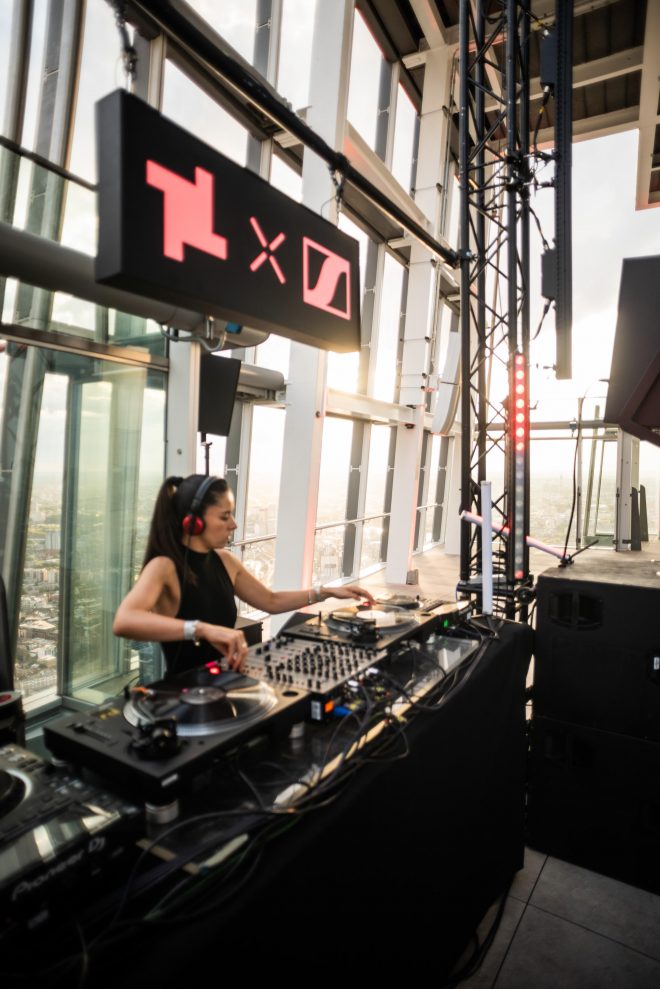
International booking still involves a peculiar amount of detective work. Promoters look at announced tour dates, scan social media or contact agents to find out whether an artist might already be somewhere nearby. Sometimes there is a viable routing opportunity. Sometimes the conversation goes nowhere.
Elodie remembers that uncertainty from promoting.
“Right now it’s a total guessing game. You either become a private detective to find out where DJs are, or you ask artists and agents directly and it can get awkward if you end up going another way. SoloFlo changes bookings from a game of luck into one that’s properly informed.”
For artists operating below the level where every journey can comfortably disappear into a guarantee, that information matters.
One booking in Asia can mean a long-haul flight, accommodation and several days of travel for a single performance. But if a promoter knows an artist will already be in the region, the geography changes. A blank Thursday between two dates becomes visible. Another promoter can see it. Flight costs might be shared. One isolated booking can become part of a route.
“Imagine how many more gigs you could pick up in a region you’re already in or planning to visit. It changes the economics across the board, for artists, but for promoters too. Flight shares would become easier to organise. An artist plays five gigs in Asia instead of one. It just makes sense.”
It is an attractive proposition, although availability alone cannot create demand. An empty date remains an empty date unless somebody wants to book it. What changes is the amount of information available before that decision is made.
And Elodie doesn’t see this as infrastructure only for artists still doing everything themselves.
“If you’re starting out, you get the professional setup that used to need management. If you’re established with a full team, enquiries route to your agents by territory. It’s not a tool big DJs grow out of. It’s infrastructure that grows with your career.”
That ambition creates another problem: infrastructure only works when enough people participate in it.
SoloFlo therefore has to be useful before everybody arrives. DJs can take bookings through a SoloFlo link from promoters without accounts, with the process handled by email on the other side. Promoters can also send offers to artists and teams who aren’t yet using the platform.
The longer-term idea is more organic: DJs invite promoters, promoters invite artists, agencies connect rosters. Elodie says some existing users have already begun inviting others without being asked.
“The idea is that DJs invite promoters they want to work with, promoters invite artists, and the platform gets more valuable for everyone already on it as the word spreads.”
Not everything wrong is a workflow problem, though.

Ask Elodie what electronic music has normalised that it should probably stop accepting and her first answer isn’t unpaid fees, contracts or inefficient touring.
It’s guestlist.
“Guestlists honestly, or ‘free guestlist expectation culture’ specifically. I think it’s quietly crippling some parts of the industry, especially for underground and smaller promoters.”
Guestlists themselves aren’t the target. Artists have guests. Promoters have friends. People working within a scene move between each other’s parties. The issue is the assumption that access should continually be free, particularly around independent events where twenty missing ticket sales can actually matter.
“Guestlists have always existed and that’s fine, but it’s the expectation of unlimited free entry that’s the problem. It has a knock-on effect. Ticket revenue doesn’t come in, then sometimes promoters use that as a reason to not pay the artists.”
Her irritation here is less technological than cultural. The person asking for another name on the list rarely sees what happens downstream. To them, it is one free ticket. To the promoter, repeated across a night, it is part of the economics of keeping the party alive.
Elodie’s comparison is uncomplicated: nobody expects to walk into a friend’s clothes shop and take the T-shirts without paying.
“Support the party if you want parties to go to.”
It is a small line, but it points towards the larger tension underneath SoloFlo.
Electronic music depends on informality. It depends on favours, friendships, trust and people doing things because they care about them rather than because every calculation makes immediate financial sense. Remove all of that and something important disappears.
But generosity only works when it remains a choice.
When artists feel uncomfortable asking when they will be paid, when promoters are expected to absorb endless free entry, when agreements remain vague because clarity somehow feels too formal, somebody eventually carries the cost.
Five years from now, Elodie doesn’t imagine a particularly spectacular alternative. She wants booking to become almost boring.
“A DJ’s availability is there for promoters to see. They send an offer; the DJ knows exactly what the terms are upfront. Contracts and deposits sorted in a couple of clicks. Advancing pulls through, payments are sorted, and guestlists become an actual agreed allocation on the booking, not a WhatsApp at midnight asking to squeeze three more in.”
There will still be WhatsApps at midnight. There will still be last-minute decisions, improbable bookings and promoters taking chances on artists because of a set they heard months earlier. Software isn’t going to tidy electronic music into perfect order, and it would be a fairly depressing outcome if it did.
Elodie’s version is simpler.
“DJs go and focus on music, promoters go and focus on promoting, agents go and focus on sourcing more gigs, instead of everyone stressing about admin and whether the booking will fall through. The boring bits should be boring.”
Maybe that is the distinction worth preserving. Electronic music doesn’t need to lose its informality.
It could just become more selective about who pays for it.
