


The 8 Best Electronic Music Clubs in Spain
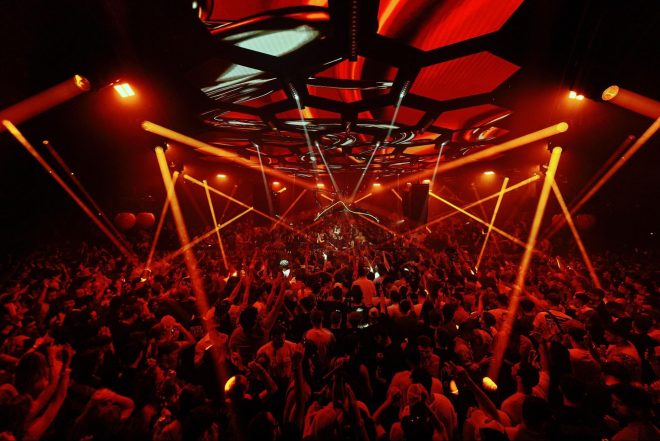
Spain's club scene has long been bigger than Ibiza, even if the island still gets most of the international attention.
From Barcelona institutions and Madrid superclubs to Mallorca's increasingly serious electronic offering, the country's best venues span everything from intimate underground rooms to all-night megaclubs. Ibiza remains essential, of course, but there is plenty happening beyond the island's established circuit.
Here are eight Spanish clubs worth planning a trip around.
Pacha Ibiza
Few clubs have managed to become as recognisable outside club culture as Pacha. The cherries, the red branding and the Ibiza mythology are all part of its identity, but its continued relevance comes down to the music.
Pacha continues to balance established Ibiza institutions with some of the biggest names in contemporary house and electronic music. Marco Carola's Music On remains a fixture, while the 2026 calendar includes artists such as Solomun, Mau P, Purple Disco Machine and Gordo.
That combination of heritage and forward-looking programming has helped Pacha remain one of Ibiza's defining nightlife institutions. It has evolved with the island's club scene while retaining the sense of occasion that has made it an enduring part of the Ibiza experience.
AMØK, Mallorca
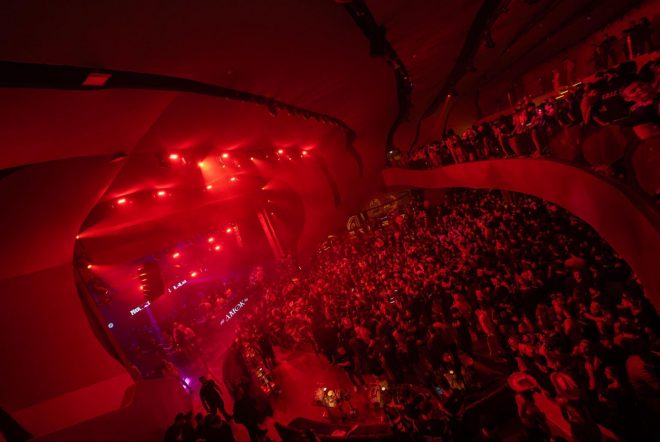
AMØK has quickly established itself as one of Mallorca's most ambitious electronic music destinations. Just outside Palma, the club combines a large main room with an open-air Sunset Terrace, allowing the night to move naturally from sunset drinks into proper late-night clubbing.
The programming is broad without feeling indiscriminate, moving between house, techno, tech house, Afro house and melodic sounds. Recent seasons have brought names including Ben Klock, Jamie Jones, Loco Dice and James Hype, alongside major label activity including a Drumcode takeover. For 2026, the club has also upgraded its sound system to D&B audiotechnik.
The result is a venue that feels designed for Mallorca's growing international nightlife audience rather than simply borrowing from Ibiza's formula.
Nitsa, Barcelona
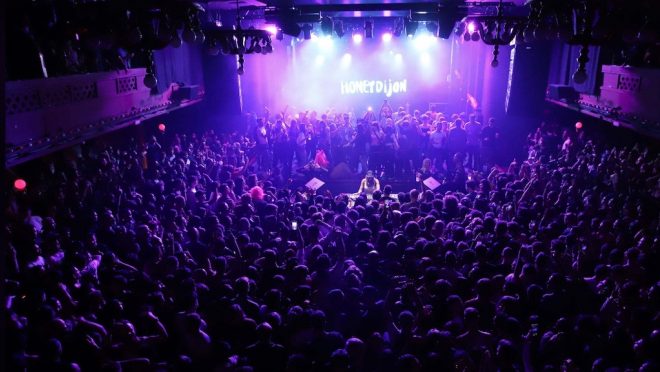
Nitsa is the kind of club that does not need a huge room or a beachside setting to matter. Based inside Sala Apolo, it has been part of Barcelona's electronic scene since 1993 and has built its reputation on consistently strong programming rather than spectacle.
The list of artists to have passed through its booth is serious: Aphex Twin, Jeff Mills, Carl Craig, Todd Terry, Ellen Allien and Erol Alkan are among the names that have played there over the years.
Today, the programme continues to move between house, techno and more experimental electronic territory, with international guests alongside Barcelona's own DJs and promoters. It is a proper club rather than a destination designed around one particular aesthetic - and that is exactly the appeal.
Amnesia, Ibiza
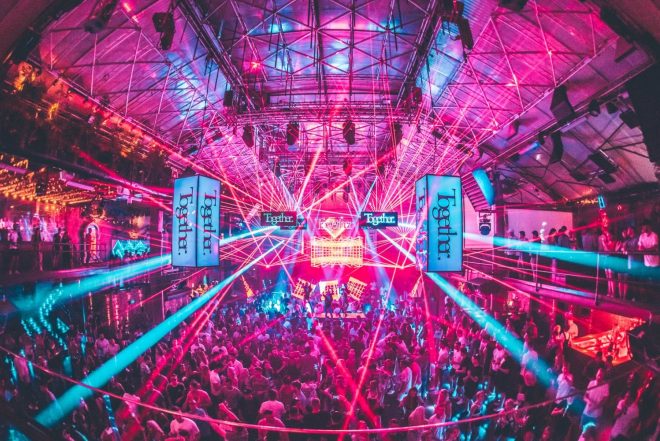
Amnesia is one of those clubs where the physical experience is inseparable from its reputation. The club's two-room format gives it a different energy depending on the night, while its famous Terrace remains one of Ibiza's defining spaces.
It has spent decades at the centre of the island's club culture, evolving with the music rather than being trapped by its history. The 2026 season is particularly significant as Amnesia celebrates its 50th anniversary.
For anyone wanting the full-scale Ibiza experience - big production, late nights and the sense that the entire room is there for the same thing - Amnesia remains essential.
FITZ, Mallorca
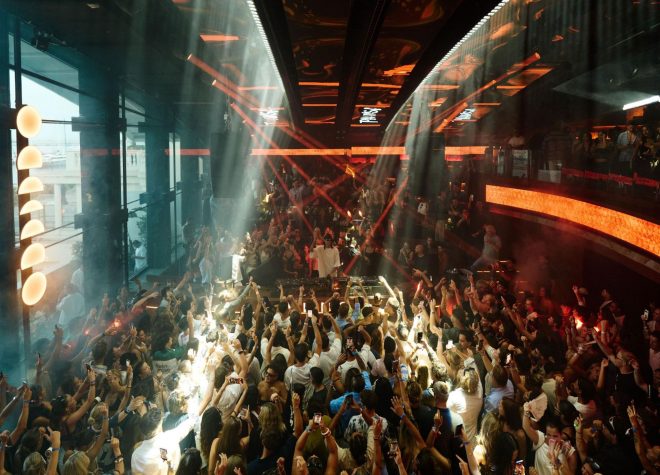
FITZ is the newest name on this list, and perhaps the most interesting indication of where Mallorca's club scene is heading.
Opened in July 2026 in the former Tito's building on Palma's waterfront, the 1,200-capacity venue has been built around international electronic music, with two floors, a serious production setup and a programme spanning house, techno, urban and other contemporary sounds.
Its opening night set the tone: PAWSA, Nic Fanciulli and Miguelle & Tons played a 12-hour session that sold out, while the venue's main residency, The House of Artists, is bringing further international house and techno names to Palma.
For a city whose nightlife has historically sat somewhat in Ibiza's shadow, FITZ feels like a statement of intent.
DC-10, Ibiza
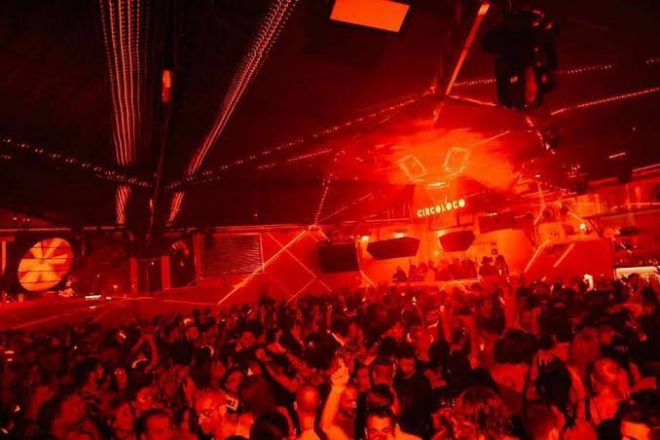
Just a short drive from Ibiza Town, DC-10 has become one of the island's most influential clubbing institutions, with a reputation built around strong electronic music programming and some of Ibiza's most enduring party series.
The club is synonymous with Circoloco, its long-running Monday night, which has grown from a local party into one of the most recognisable dates on the international club calendar. The 2026 season features artists including &ME, Rampa, Dixon, Seth Troxler, Carlita and Prospa, alongside a wider programme of house and techno throughout the season.
With its distinctive setting, energetic atmosphere and consistently strong line-ups, DC-10 remains an essential stop for anyone exploring Ibiza's electronic music scene.
UNVRS, Ibiza
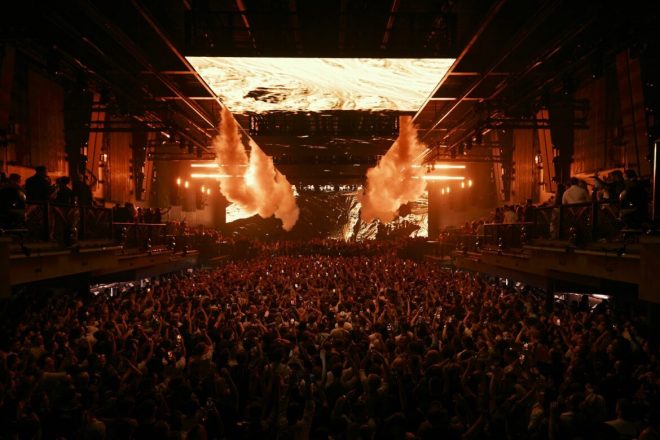
UNVRS is Ibiza's newest attempt to redefine what a superclub can be. Launched in 2026, the hyperclub arrived with the scale and production values you'd expect from a next-generation venue, but with a serious electronic programme behind it.
The opening season has included major names across house and techno, with Jamie Jones, Joseph Capriati, Marco Carola, Luciano, Damian Lazarus, Seth Troxler and The Martinez Brothers among the artists appearing across its programme.
It is very much the modern Ibiza proposition: huge production, ambitious programming and the kind of venue built to compete on an international rather than purely island level.
Fabrik, Madrid
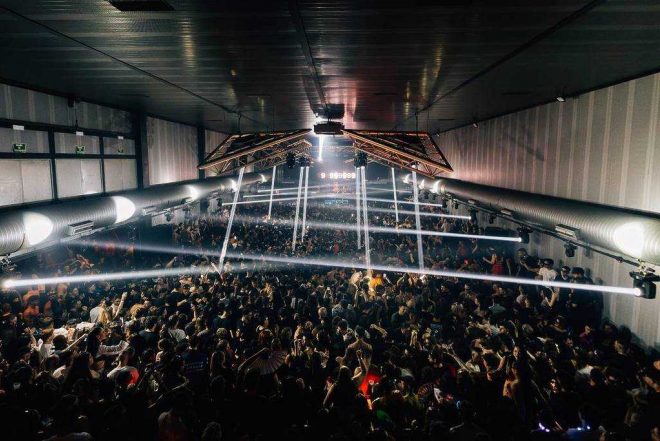
Madrid's answer to the superclub question is Fabrik, a vast venue outside the city that has become one of Europe's major destinations for electronic music.
The scale is part of the appeal, but Fabrik's reputation has been built as much on its programming as its capacity. Its multiple spaces allow it to host everything from major techno and house events to genre-specific parties and large-scale electronic festivals.
It is not trying to recreate Ibiza in the middle of Madrid. The experience is more warehouse-meets-megaclub: serious sound, huge crowds and events that can run deep into the night. For anyone building a Spanish club itinerary around electronic music, Madrid deserves a stop - and Fabrik is the obvious place to start.
